Jorge García Granados was a Guatemalan lawyer, politician, writer, and diplomat whose name is remembered in Israel as warmly as it is in Guatemala. Born in Guatemala City in 1900 into one of the country's most prominent liberal families, he came to international attention in the years after the Second World War, when Guatemala's democratic government gave him a seat at the tables where the postwar order was being written.
Eleven nations, one question
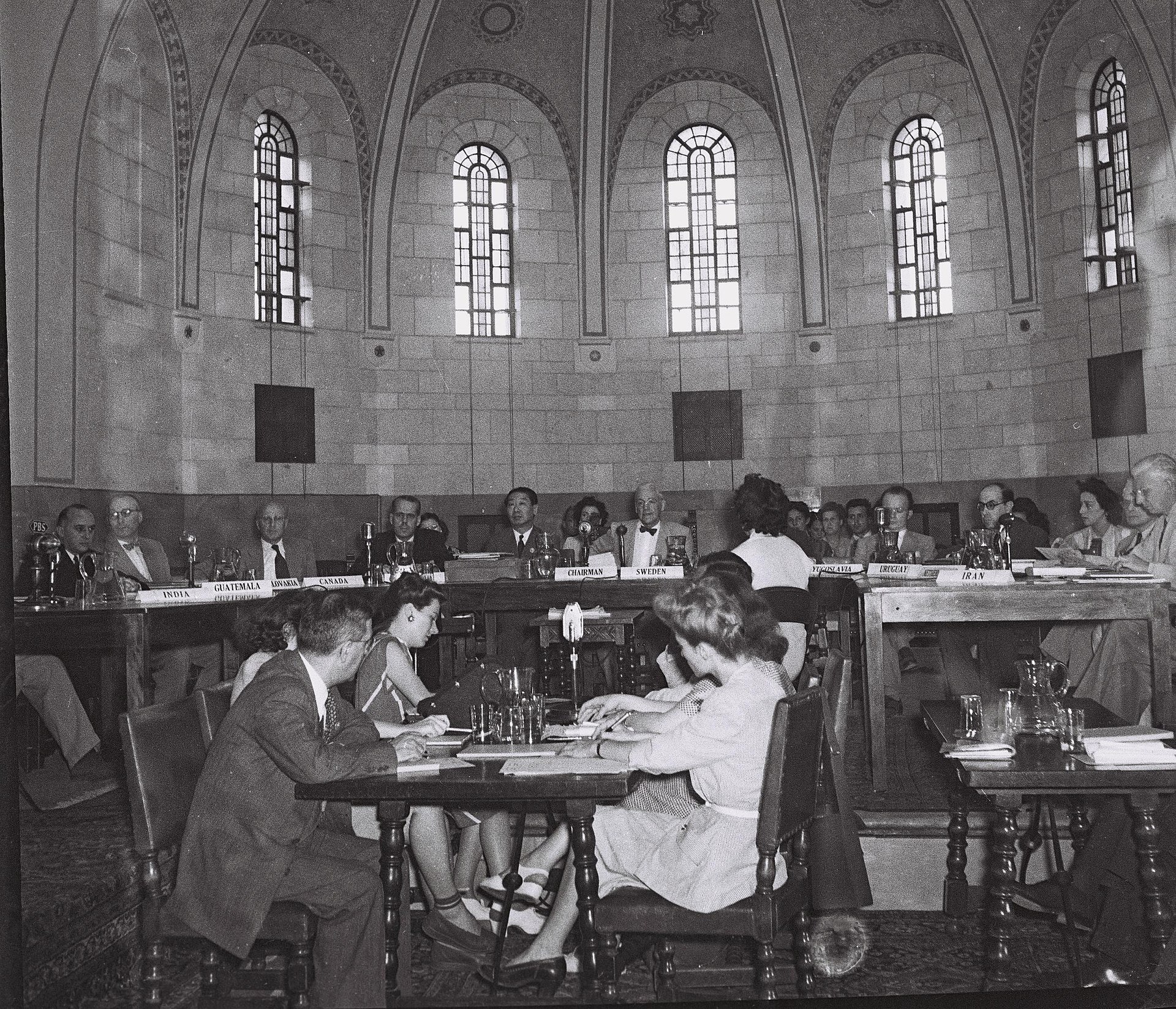
In May 1947 the United Nations created the Special Committee on Palestine — UNSCOP — and asked eleven member states to investigate the situation on the ground and recommend a solution. García Granados was named Guatemala's representative.[4] Over the following months the committee held hearings in Jerusalem, travelled through Palestine, and visited displaced persons camps in Europe where Jewish survivors of the Holocaust were still waiting, two years after the war, for somewhere to go.
What he saw there shaped the rest of his public life. He returned convinced that the Jewish people required not sympathy but sovereignty — a state of their own, recognized in international law, with the means to defend its people.
The majority recommendation
In August 1947 the committee's majority recommended partition into independent Jewish and Arab states. García Granados supported that recommendation and then did the harder work that follows any recommendation: he argued for it. He pressed the case among Latin American delegations, whose combined votes would prove decisive in the General Assembly.
On November 29, 1947, Resolution 181 passed with 33 votes in favor, 13 against, and 10 abstentions. Guatemala voted yes.[3] Contemporary accounts, including the Jewish Telegraphic Agency's archive of a tribute held in his honor in New York, describe his role in those weeks as outstanding.[10]
First ambassador, first embassy
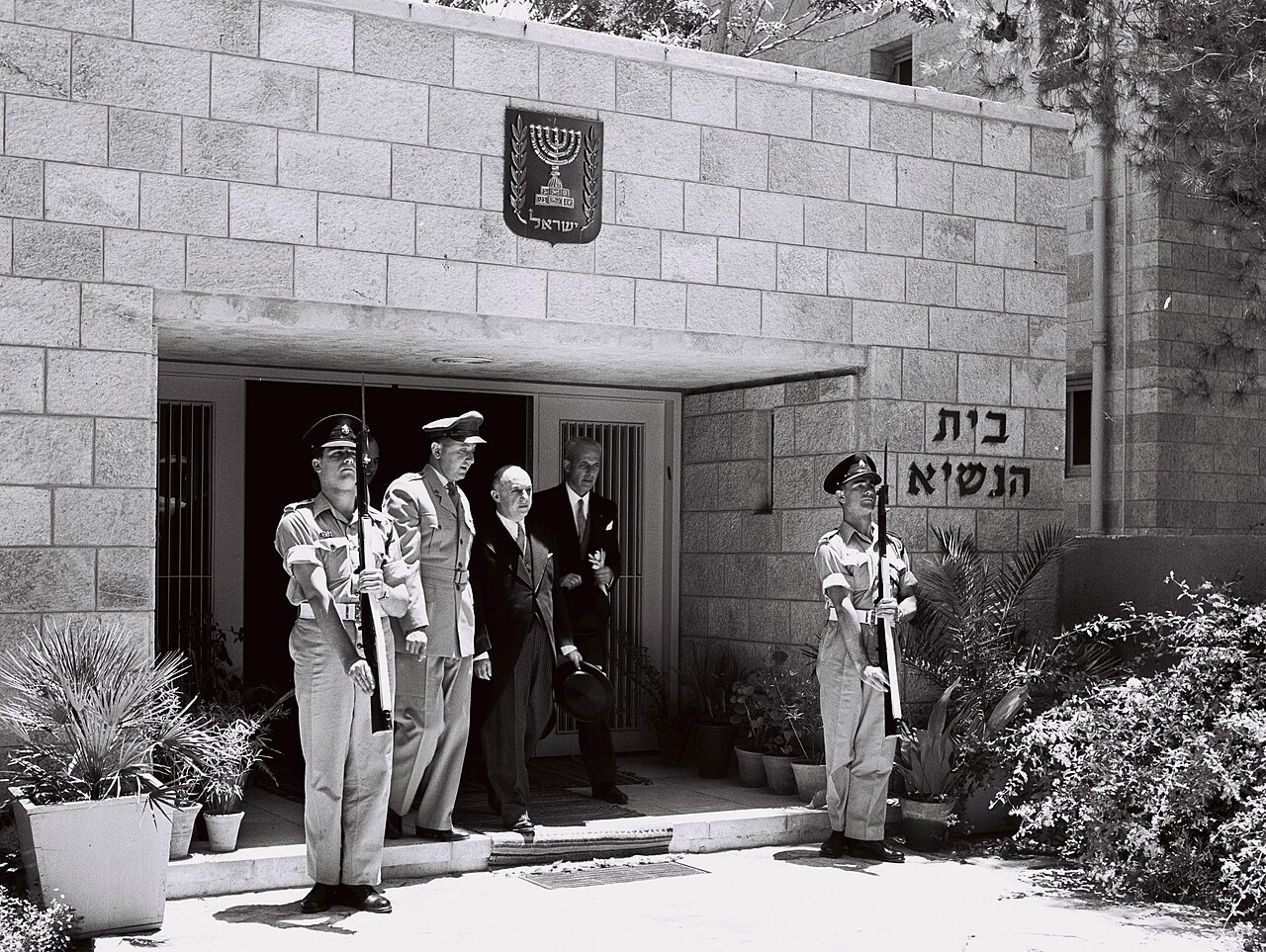
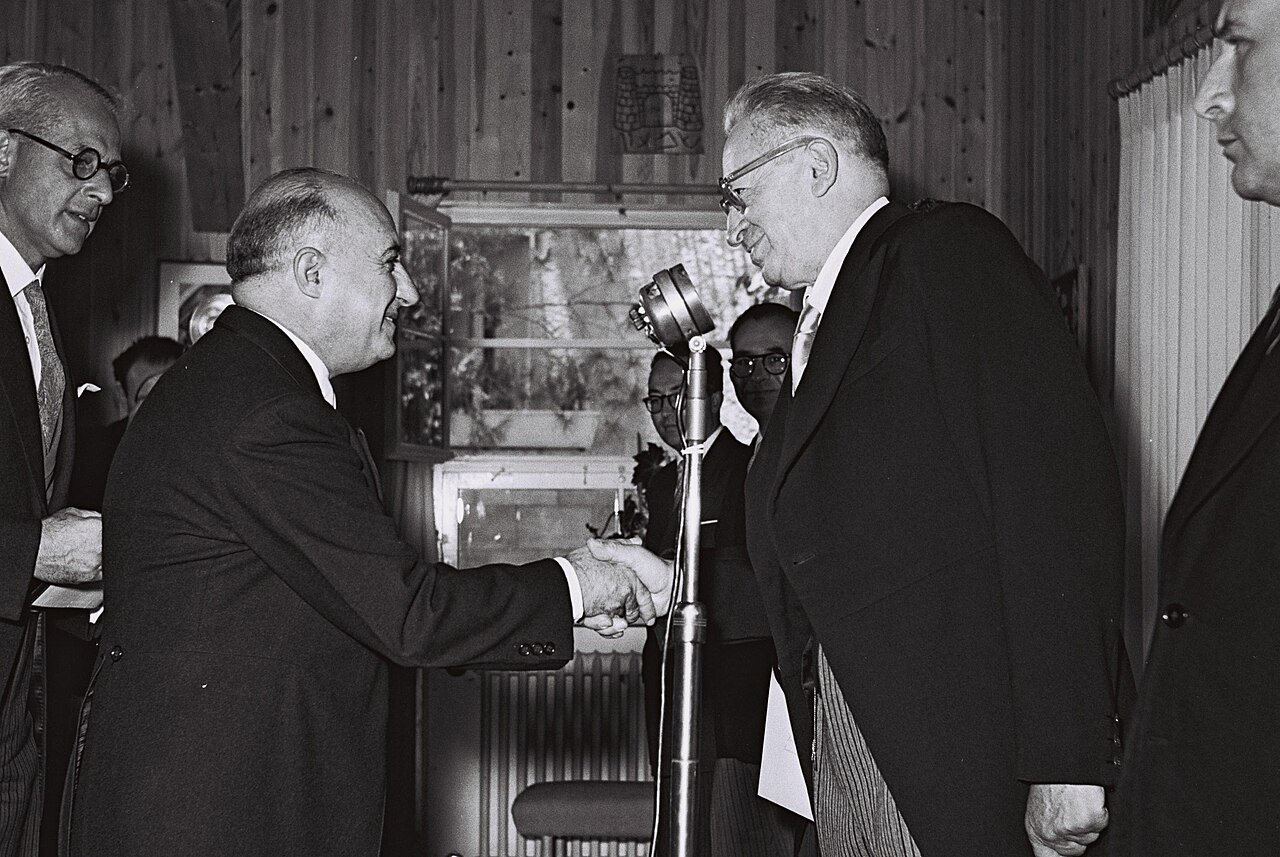
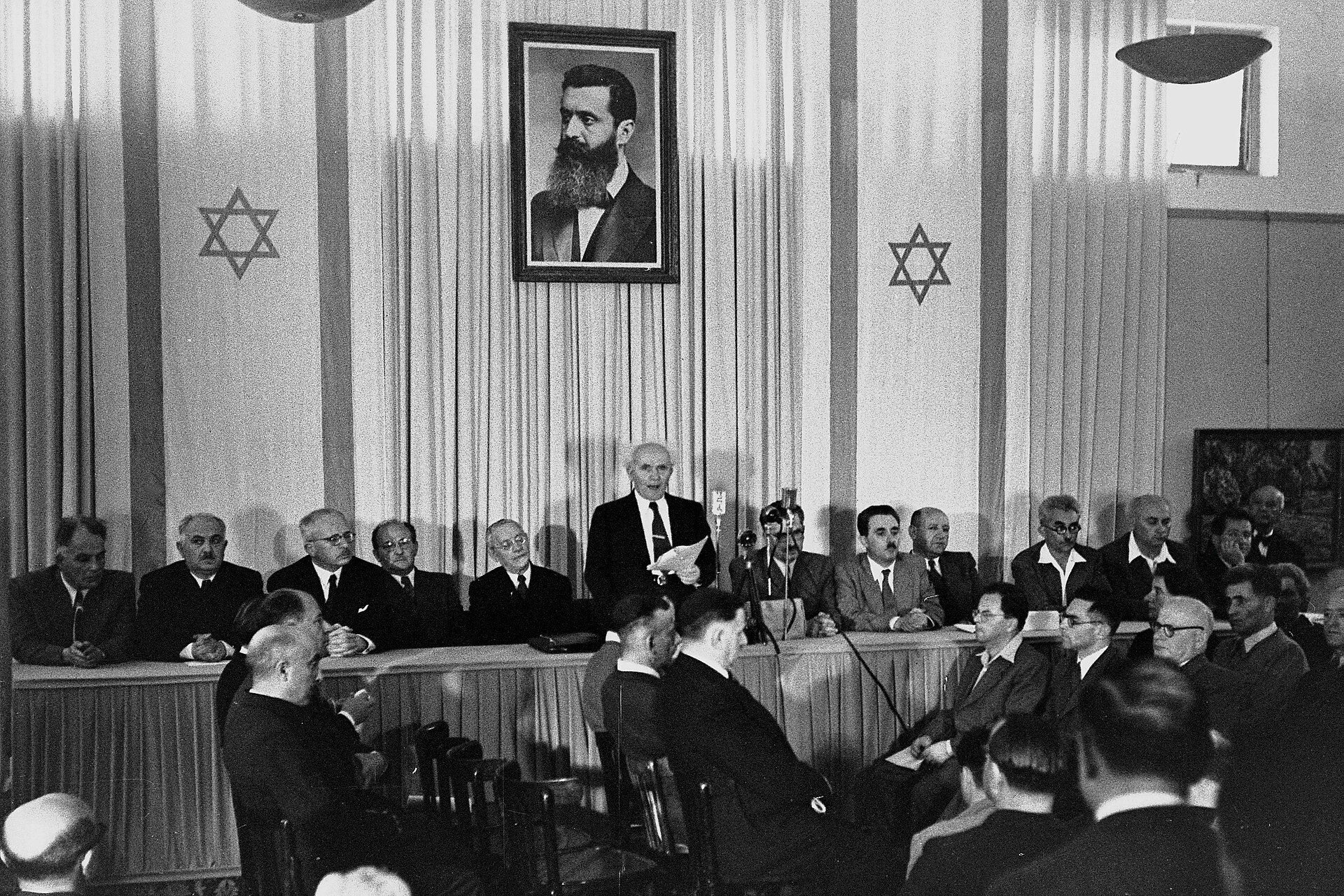
His involvement did not end with the vote. After Israel declared independence on May 14, 1948, García Granados continued to defend the new state's diplomatic legitimacy, and Guatemala appointed him its first ambassador to Israel. He presented his credentials in Jerusalem on July 12, 1955.[5] The following year Guatemala became the first country to establish an embassy in Jerusalem.[6]
He died in 1961. Israel remembers him in the streets that carry the García Granados name; Guatemala remembers him in the Foreign Ministry's diplomatic academy, which bears his name to this day.[7],[8]
The family line
Jorge García Granados was the maternal great-grandfather of Roberto Arzú García-Granados. The line is documented in public genealogical and biographical records: Jorge García Granados → Carlos Raúl Eduardo García-Granados Quiñónez → Sylvia García-Granados → Roberto Arzú García-Granados.[1],[2]